
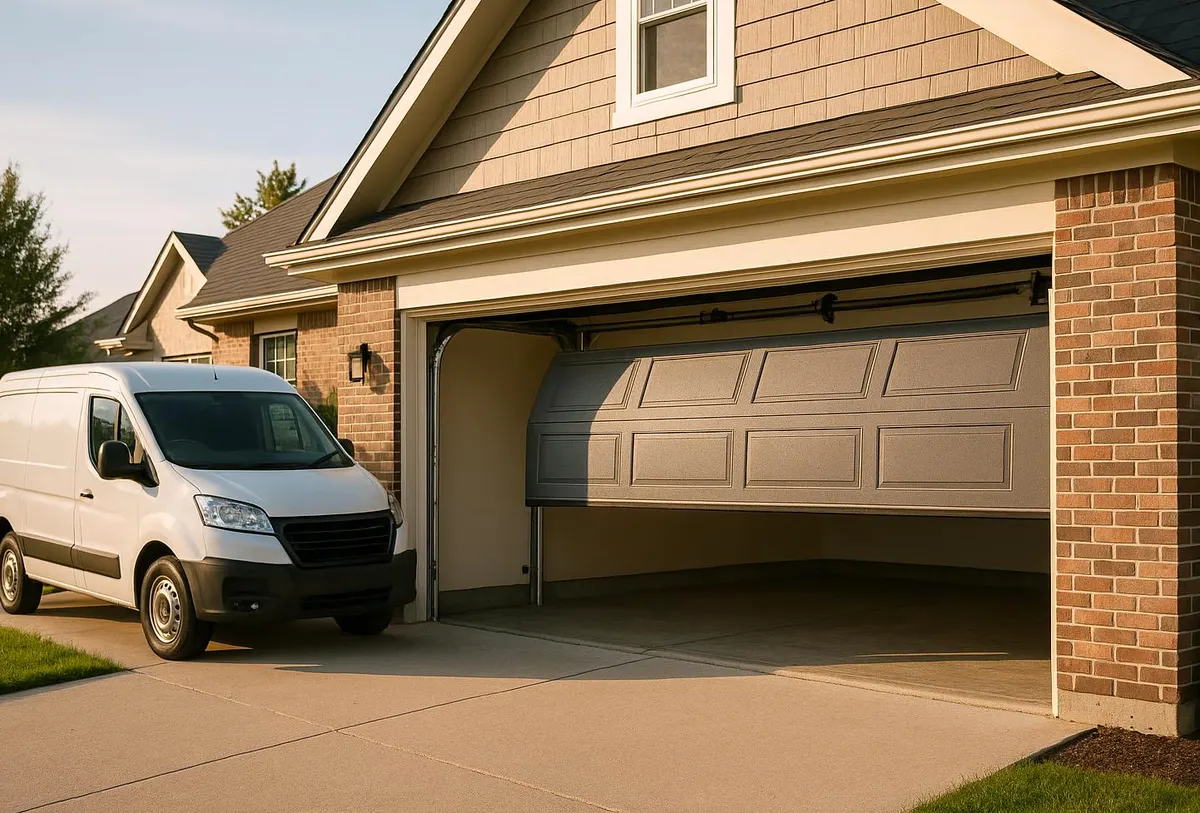
What Waiting Another Season Actually Costs You
Here's the scenario nobody wants: a named storm is forecast, the door that's been sagging on its tracks since spring finally gives out, and you're left boarding up an opening instead of closing a door. Or worse — the storm passes, you file an insurance claim for wind damage, and the adjuster asks for proof the door met code. If it didn't, that claim can get denied or reduced. A door replacement that gets put off "until next paycheck" or "until we have time to deal with the HOA" isn't just a cosmetic delay. In hurricane-prone parts of Florida, it's a gap in your home's wind defense for an entire season.
The Three Things People Argue About
Almost every garage door replacement disagreement in a household comes down to one of these:
- Does the HOA have to approve it?
- Do we need a permit, or can we just have it installed?
- Does the new door actually have to meet wind-load requirements, or is that optional if we're not right on the coast?
Here's the straight answer to each, in plain language.
HOA Approval: Usually Yes, Even for a "Like-for-Like" Swap
If your property is part of a homeowners association, most HOA covenants require approval before you change the exterior appearance of your home — and a garage door counts, even if you're just replacing an old one with a similar style. HOAs typically care about three things: color, panel style/window layout, and sometimes material. The fastest way to avoid a dispute (with the HOA or with your spouse) is to pull your HOA's architectural guidelines before you fall in love with a specific door online. Some associations have a pre-approved list of colors and styles; others require a simple written request with a photo or spec sheet. Either way, getting written approval first is cheaper than removing and replacing a door the HOA rejects after installation.
Permits: Required for Most Full Replacements
A permit isn't about bureaucracy for its own sake — it's how your local building department confirms the new door and its anchoring meet current wind-load standards for your area. Most full garage door replacements (as opposed to a repair or panel swap) require a permit, and the work typically gets inspected before it's considered closed out. Skipping this step might save a little time now, but it creates real problems later: unpermitted work can surface during a home sale inspection, complicate an insurance claim after storm damage, and in some cases leave you personally liable if the door fails and causes damage. A reputable installer will pull the permit as part of the job and schedule the inspection — ask about this up front, not after the door is already hanging.
Wind-Load Code: Not Optional in This Part of Florida
Florida's building code requires garage doors in wind-borne debris regions to meet specific wind-load and impact ratings — this applies broadly across the state's hurricane-prone areas, not just immediate coastal zones. A garage door is one of the largest openings in a home's exterior envelope. If it fails during a storm, wind pressure can enter the garage and push up on the roof from the inside, which is how a lot of serious storm damage actually starts. That's why an engineer-rated, wind-load-compliant door isn't a nice-to-have upgrade — it's a structural decision. When you're comparing doors, ask for the wind-load rating and impact rating in writing, and make sure it matches what your local code requires for your specific wind zone.
The Real Trade-Off: Cost vs. Risk
A wind-rated door with the right bracing, track gauge, and reinforced panels usually costs more than a standard residential door — national pricing for impact-rated garage doors commonly runs several hundred to a couple thousand dollars above a comparable non-rated model, depending on size and material. That's a legitimate budget conversation to have. But weigh it against the alternative: a cheaper door that doesn't meet code can mean a failed inspection, an insurance headache, or a door that buckles in a storm and takes drywall, stored belongings, or worse with it. In Taylor County's humid, storm-prone climate, the cheaper door often isn't actually cheaper once you count what it doesn't protect.
One more local wrinkle worth settling before you shop: moisture and salt-tinged air accelerate rust on hardware and can cause wood or composite panels to swell. If you're near the water or dealing with a lot of afternoon humidity, ask your installer about galvanized or coated hardware and moisture-resistant panel materials — it affects how long that wind-rated door actually stays wind-rated.
When to Call Perry Garage Door Experts
If you're at the stage of comparing doors, checking HOA paperwork, or just want someone to confirm what your home's wind zone actually requires, that's exactly where we come in. Our Garage Door Installation & Replacement service includes helping you choose a door that meets local wind-load requirements and handling the permit and inspection process so you're not guessing. If your current door is still serviceable but you're not sure it would hold up through another storm season, our Garage Door Maintenance & Tune-Up visit checks tracks, hardware, and overall wind-readiness before you commit to a full replacement.
If you're weighing a garage door replacement in Perry, Steinhatchee, Cross City, or anywhere else in Taylor County, give Perry Garage Door Experts a call — we'll help you settle the argument with facts, not guesses.